A Rio Tinto mine site in Western Australia extended the life of an aging stormwater management culvert running under an active rail corridor by opting for a slip-line reline of the old culvert using an AIL Dur-A-Span Aluminum Structural Plate Pipe Arch. This avoided the need for a costly replacement with an operational shutdown.
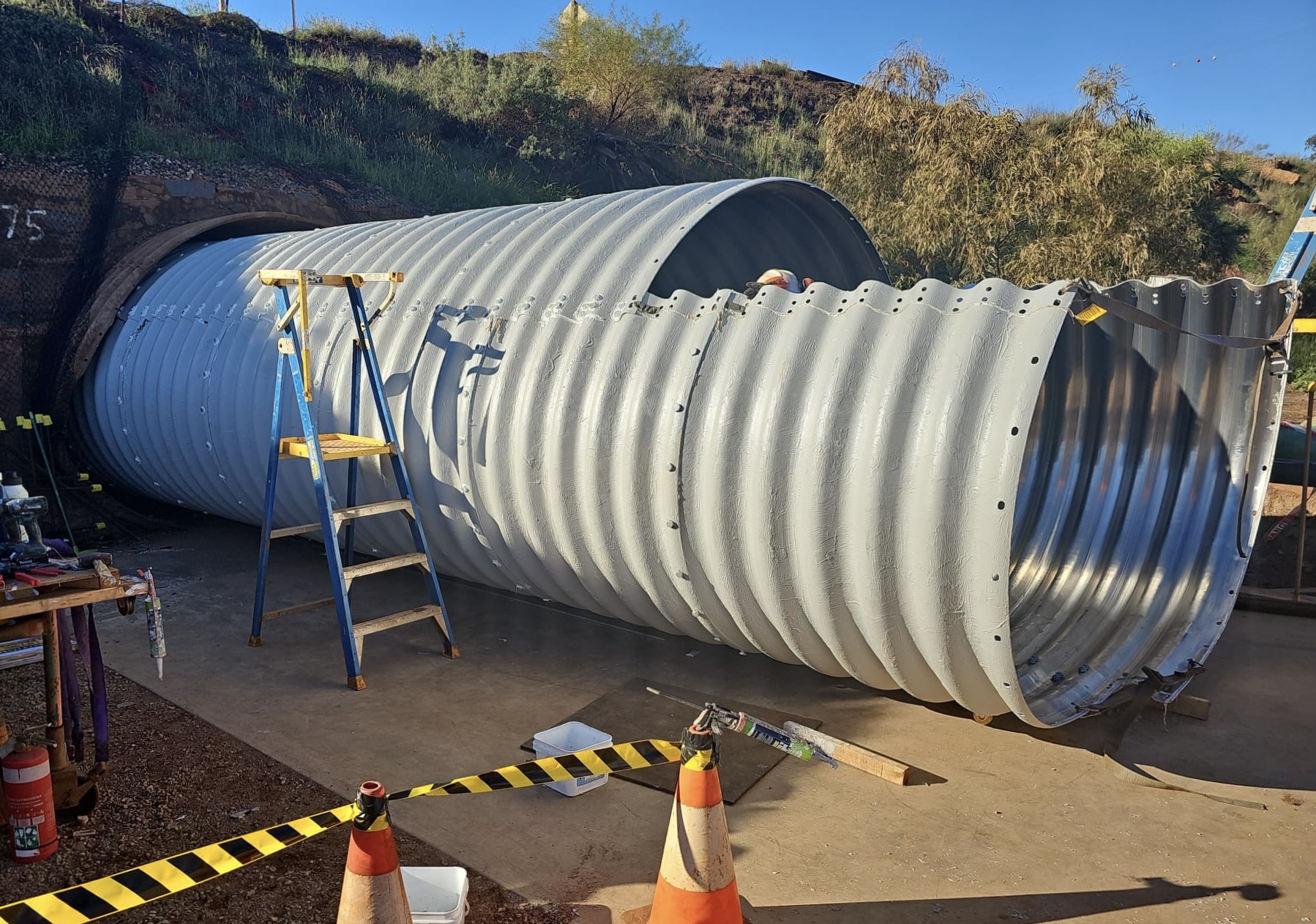
Aluminum reline was the more resilient and sustainable solution
This project had significant resilience and sustainability benefits through its innovative rehabilitation approach. Rather than a complete replacement requiring extensive excavation, the relining solution eliminated the need for heavy earthmoving equipment and the associated carbon footprint of traditional reconstruction methods. The use of aluminum as the primary material added another layer of sustainability. Corrosion/abrasion-resistant Dur-A-Span offers exceptional durability, extending the infrastructure’s service life. Plus, it is a highly recyclable material when it comes time to be decommissioned.
The new culvert’s invert section was filled with concrete to facilitate better flooding-debris movement and periodic clean-outs.
Rio Tinto nominates project for innovation award
The owner’s satisfaction was clearly demonstrated when they nominated the contractor, DCI Group, for their prestigious Supplier Recognition Award for Innovation — a reflection of their appreciation of the project’s innovative approach and successful execution.
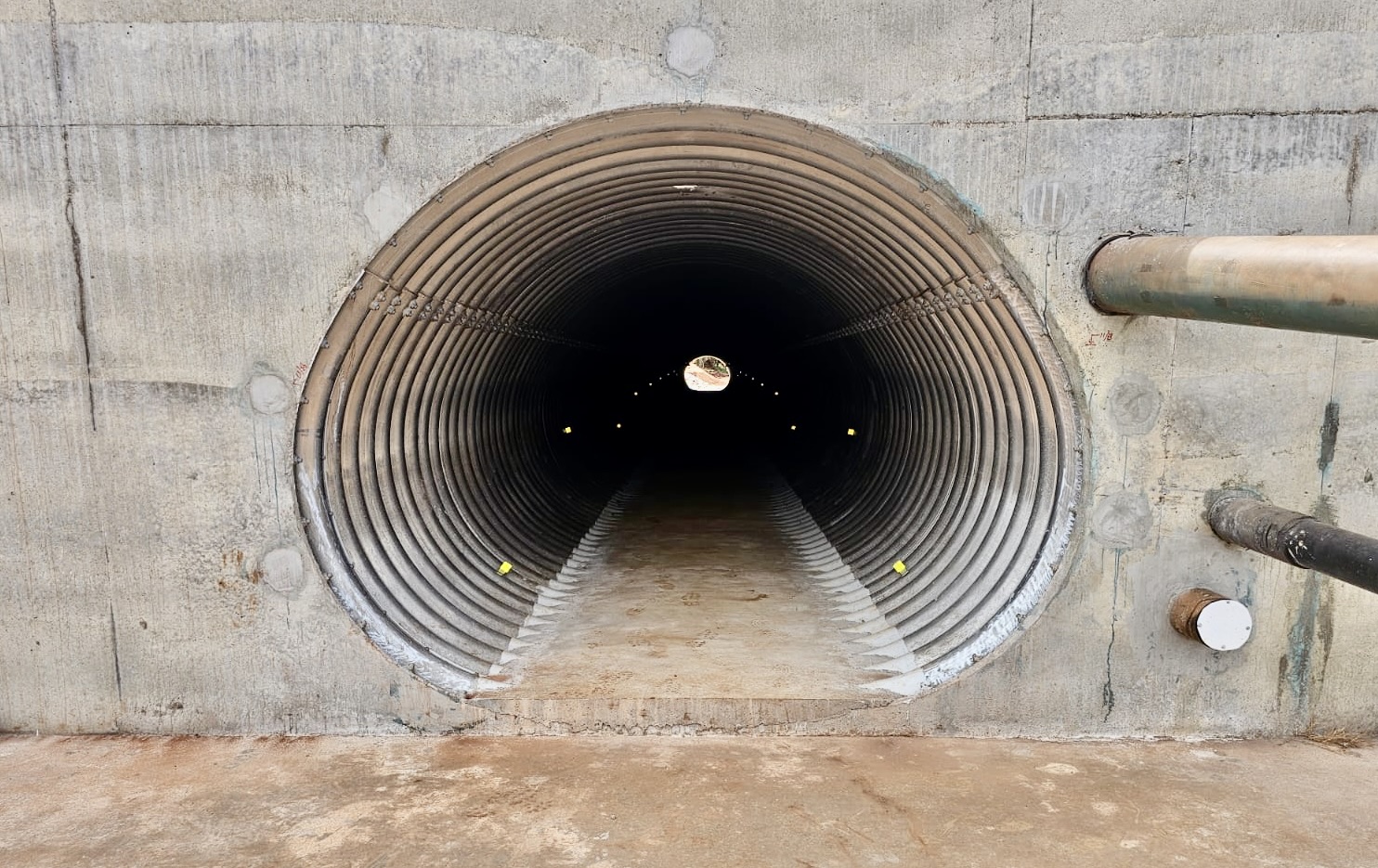
The primary challenge we identified during project planning was the severely restricted site access due to active rail operations directly above the work area. We knew the installation team would be permitted to work within the tunnel only for brief, intermittent periods when rail traffic schedules allowed, creating significant logistical constraints.
This meant we’d be facing fragmented work windows with frequent project interruptions, making it difficult to maintain consistent progress or to complete the installation phases in sequence. The unpredictable nature of these restrictions required extensive coordination with railway operations and posed risks to both project timeline and budget predictability.
DCI Group developed a comprehensive work plan that addressed the access constraints through innovative installation methodologies. The team engineered a radical solution that streamlined the installation process to work within the limited time windows while prioritizing worker safety. This approach enabled the slip line installation to be completed under an active rail line without requiring any train service interruptions. The solution not only created safer working conditions by minimizing time spent in the restricted zone but also significantly expedited the overall installation timeline, with the complete slip line assembled and installed in just nine days despite the challenging constraints.